
Key Takeaways
- PRP, short for platelet-rich plasma, can be a good alternative to surgery for some people with early-stage knee or hip problems, but it is not a replacement for surgery when a joint is badly damaged.
- For the right patient, PRP may ease pain, support tissue healing, and in some cases delay or reduce the need for more invasive treatment.
- PRP is unlikely to replace surgery for advanced bone-on-bone arthritis, fully torn tissue, or problems that limit daily life even after conservative care.
- Expert groups disagree about PRP for hip and knee arthritis, so a careful exam and honest expectations are key.
- Dr. John Redmond is a Mayo Clinic-trained orthopedic surgeon in Jacksonville, Florida, who offers both PRP and joint replacement at his Southside and Beaches offices, so request an appointment to get an honest recommendation for your knee or hip pain.
How PRP Can Support Healing in Early-Stage Joint Conditions
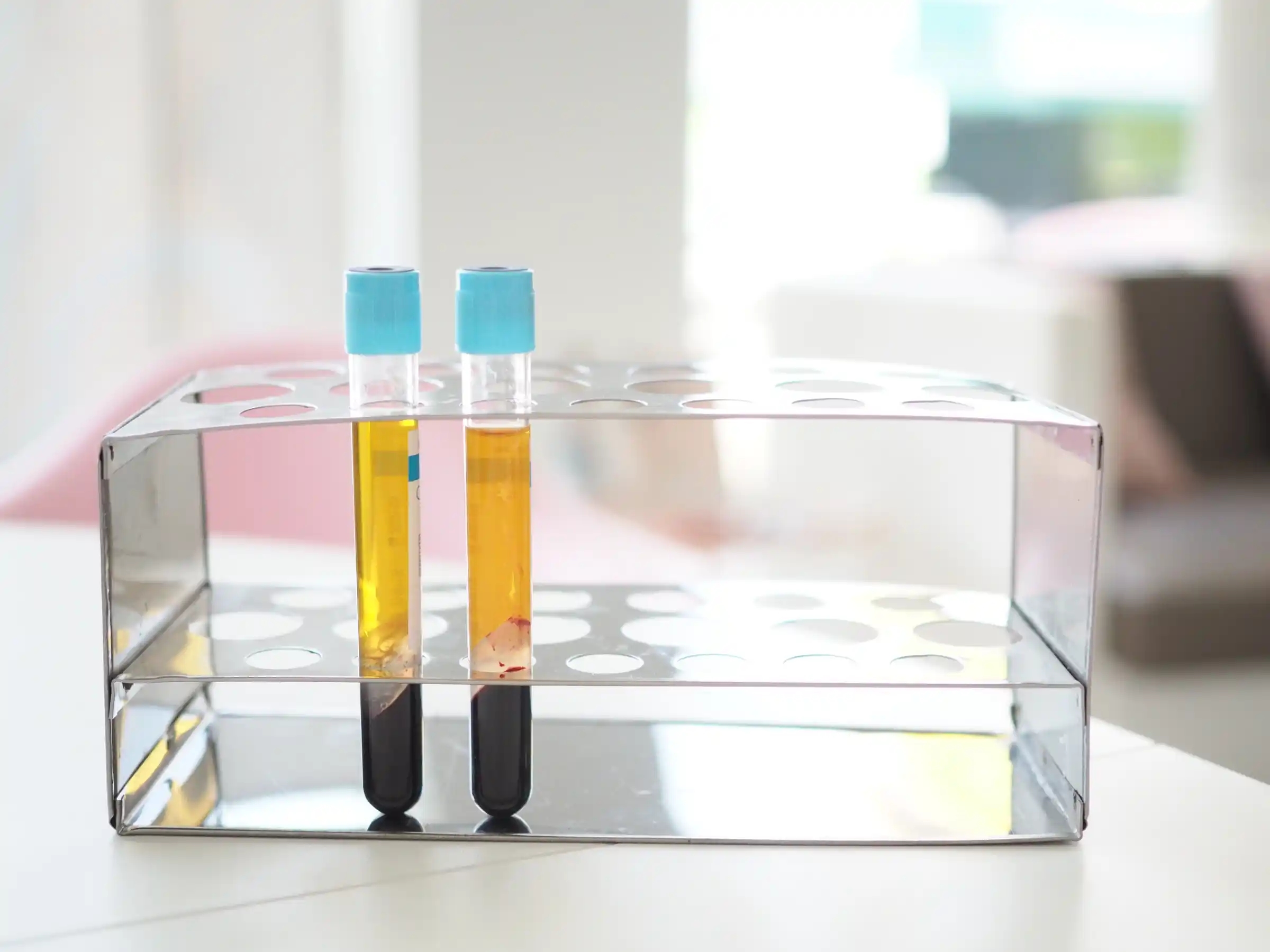
PRP is made from a small sample of your own blood. The platelets are concentrated and then injected under ultrasound guidance into the area that hurts. Platelets carry growth factors, which are natural proteins that help the body repair tissue.
At Dr. Redmond's PRP practice, PRP is used for:
- Early-to-moderate osteoarthritis in the hip or knee
- Tendon injuries, such as patellar tendinitis
- Muscle tears and strains
- Partial or chronic ligament injuries
In early-stage problems, there is still healthy tissue for PRP to work with. That is why PRP is aimed at early and moderate conditions rather than end-stage joint damage.
When PRP May Reasonably Delay the Need for Surgery
Dr. Redmond's practice describes PRP this way: it is not a substitute for surgery in every case, but for patients with the right condition and injury profile, it can provide meaningful pain relief, support tissue healing, and in some cases delay or reduce the need for more invasive treatment.
PRP may be a reasonable step before surgery if you:
- Have early-to-moderate arthritis and can still do most daily activities
- Have a tendon or partial ligament injury that has been slow to heal
- Want to try non-surgical knee pain treatment or hip care first
- Are not ready to consider surgery yet
What Research Shows for the Hip
Research on PRP for hip arthritis is limited. A systematic review and meta-analysis in Clinical Rheumatology found that PRP may be helpful and safe for hip osteoarthritis (OA) over the mid-term. The authors added that it is still unclear whether PRP works better than other options, such as hyaluronic acid injections.
Situations Where PRP Is Unlikely to Replace Surgical Treatment
PRP has real limits. It is unlikely to be enough when:
- Arthritis is advanced. For severe hip or knee arthritis, joint replacement is the most effective surgical option.
- Tissue is fully torn. A completely torn tendon may need surgery to repair.
- Pain limits daily life despite treatment. When conservative care no longer controls pain, it may be time to talk about surgery.
- The hip has a structural problem. For younger, active patients who are not ready for a full replacement, hip preservation may be worth discussing.
Why Experts Disagree About PRP for Arthritis
The American College of Rheumatology (ACR) and the Arthritis Foundation strongly recommend against PRP for knee and hip osteoarthritis in their 2019 osteoarthritis management guideline. The main concern is that PRP preparations vary widely and are not standardized.
This does not mean PRP never helps. It means you should go in with realistic expectations.
PRP vs. Joint Replacement Surgery: A Side-by-Side Look
| Factor | PRP Injection | Joint Replacement (Direct Anterior Hip or Robotic Knee) |
|---|---|---|
| Best fit | Early-to-moderate arthritis, tendon, muscle, and partial ligament injuries | Advanced arthritis that no longer responds to conservative care |
| Goal | Ease pain and support healing; may delay surgery | Replace damaged joint surfaces for long-term relief |
| Procedure | In-office blood draw and ultrasound-guided injection, about an hour | Surgery; same-day outpatient surgery for most of Dr. Redmond's patients |
| Recovery | Mild soreness for a few days; improvement over four to six weeks | Planned rehab with physical therapy |
| Evidence | Mixed for arthritis; results vary | Dr. Redmond's practice calls joint replacement the most effective surgical option for advanced arthritis |
| Insurance | Usually not covered | Contact the office about your coverage |
How a Specialist Evaluates Which Option Fits Your Condition
Many surgeons focus on either injections or surgery. Dr. Redmond offers both, so he can recommend what fits your joint rather than one set approach. He explores non-surgical options first and only recommends surgery when it is truly the best path forward.
Here is what an evaluation usually involves:
- Talking through your symptoms. Where it hurts, when it hurts, and what you have already tried.
- A physical exam. Checking motion, strength, swelling, and stability.
- Reviewing your imaging. Seeing how much joint wear or tissue damage is present.
- Discussing your goals. What you want to get back to doing.
- Building a plan. This may include PRP, other arthritis treatments, or a conversation about joint replacement.
Experience on Both Sides of the Decision
- Mayo Clinic-trained, with a fellowship in advanced hip surgery at the American Hip Institute in Chicago
- Over 4,000 robotic knee replacements and 4,000 anterior hip replacements
- An infection rate of less than 0.2% in primary joint replacement
- Direct anterior hip replacement with no hip precautions required after surgery
Setting Realistic Expectations for Non-Surgical Treatment
Before choosing PRP, keep these points in mind:
- Results vary. The Cleveland Clinic overview of PRP injections explains that some people benefit from PRP and others do not, and providers cannot predict with certainty who will respond.
- PRP often works best as part of a plan. Cleveland Clinic notes that providers generally offer PRP as an adjunct therapy, meaning a helpful addition rather than the only treatment.
- Healing takes time. Most patients notice improvement over four to six weeks.
- More than one injection may be needed. Arthritis often calls for a series of two to three injections.
- Surgery stays on the table. Trying PRP first does not rule out a joint replacement later if you need one.
Get an Honest PRP or Surgery Recommendation for Your Knee or Hip
PRP may help some people with early-stage knee or hip problems delay surgery, but it cannot rebuild a badly worn joint. The right choice depends on your diagnosis, your imaging, and your goals.
Dr. Redmond's practice, John Redmond MD, can help you weigh PRP therapy against other hip and knee arthritis treatments, including joint replacement. Request an appointment at the Southside or Beaches office, or call (904) 675-4000.
Frequently Asked Questions
Can PRP replace knee or hip surgery?
For some early-stage conditions, PRP may delay or reduce the need for surgery. It is not a substitute for surgery when a joint is badly damaged.
Does PRP work for hip pain?
PRP is used for early-to-moderate hip osteoarthritis and some soft tissue injuries. Research on the hip is limited and mixed, so Dr. Redmond will give you an honest assessment.
If PRP does not work, can I still have surgery?
Yes. Trying PRP first does not rule out joint replacement or other surgery later.
How do I know if I am too far along for PRP?
Severe pain with daily activities, pain at rest or at night, and advanced joint wear on imaging are signs that surgery may be the better option. An exam with Dr. Redmond can answer this for you.
Where can I find non-surgical knee pain treatment near me in Jacksonville?
Dr. Redmond offers PRP and other non-surgical treatments at his Southside and Beaches offices in Jacksonville. Request an appointment online to get started.