
A torn meniscus is one of the most common knee injuries, and one of the most frequently misunderstood. Many patients assume a tear means surgery is immediately necessary, while others assume it will heal with enough rest. The reality is more nuanced than either. Whether a meniscus tear requires surgery, and what kind, depends on the location of the tear, the patient's age and activity level, and how significantly the injury is affecting daily function.
Dr. John Redmond is a Mayo Clinic-trained orthopedic knee specialist who approaches meniscus injuries with the long-term health of the joint in mind. When a tear can be repaired rather than removed, that is almost always the better long-term outcome for the joint. When repair is not feasible based on the tear's location and blood supply, he performs a careful partial meniscectomy to remove only what is necessary. For patients whose symptoms can be managed without surgery, he explores conservative options first. Whatever the right approach turns out to be, Dr. Redmond will explain it clearly and make sure you understand all of your options before any decisions are made.
If you have been dealing with knee pain, swelling, or a catching sensation and suspect a meniscal injury, Dr. Redmond's practice in Jacksonville is a great place to get answers. Request an appointment today.
The meniscus is the C-shaped cartilage that sits between the femur and tibia in each knee. Each knee has two—a medial (inner) meniscus and a lateral (outer) meniscus. They act as shock absorbers, distribute load evenly across the joint surface, and play an important role in knee stability. When one tears, the impact on daily function can range from a mild nuisance to a significant and persistent limitation.
Meniscus tears vary widely in pattern, location, and severity. Common types include:
The location of the tear within the meniscus is especially important. Tears in the outer third, which has a good blood supply, have a much better chance of healing after repair. Tears in the inner two-thirds have limited blood supply and may require partial removal when repair is not feasible.
When evaluating a meniscus tear, Dr. Redmond considers two primary surgical options:
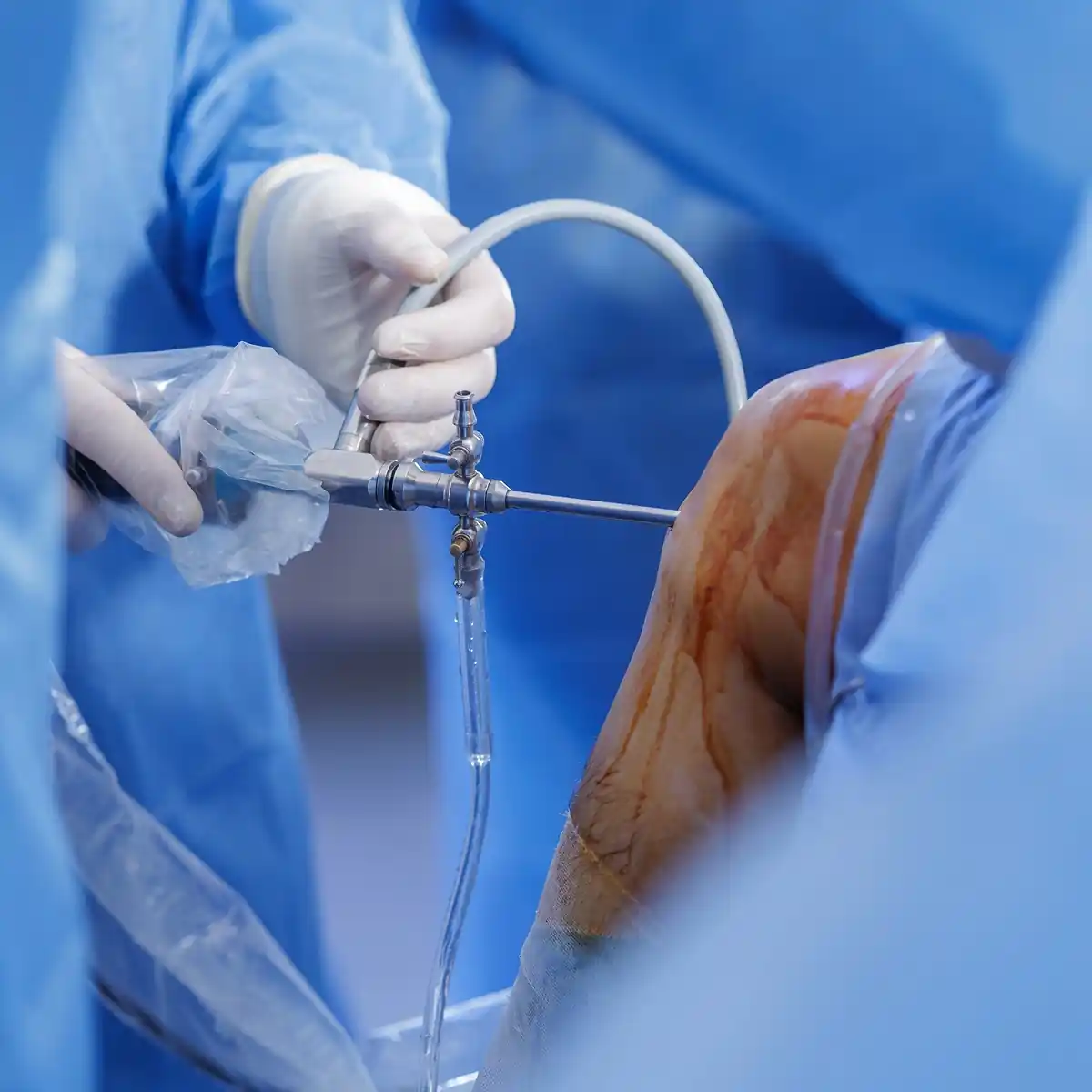
Both procedures are performed arthroscopically through small incisions, with minimal disruption to surrounding tissue and an outpatient recovery for most patients.
Not every meniscus tear requires surgery. For patients with degenerative tears, minor symptoms, or lower physical demands, a trial of conservative treatment is often the appropriate first step. Options include rest, activity modification, physical therapy, and anti-inflammatory medication or injections. Dr. Redmond evaluates each patient carefully and will only recommend surgery when it is genuinely the best option for the patient's specific injury and goals.
Common symptoms include:
Not all meniscus tears produce dramatic symptoms. Some are discovered on imaging taken for other reasons. Dr. Redmond will review your MRI, explain what the findings mean, and walk you through your treatment options.
It depends on the tear. Tears in the outer third of the meniscus, which has a good blood supply, have some potential to heal with conservative treatment. Tears in the inner portion, which has limited to no blood supply, are unlikely to heal on their own. Dr. Redmond evaluates each tear based on its location, pattern, and the patient's symptoms and activity level before recommending a treatment path, whether that is conservative management, repair, or partial meniscectomy.
Recovery after a partial meniscectomy is typically faster, with most patients returning to light activity within two to four weeks. Recovery from a meniscus repair takes longer (generally three to six months) because the repaired tissue needs adequate time to heal properly. Dr. Redmond and his team will walk you through a structured rehabilitation program designed to restore strength and range of motion safely and progressively.
Dr. Redmond's practice is located in Jacksonville, Florida, with two convenient office locations. You can request an appointment online at any time, and our team will follow up promptly to confirm your visit. We look forward to seeing you.