Not every patient with joint pain needs surgery. For many people dealing with arthritis, tendon injuries, or soft tissue damage, regenerative medicine offers a meaningful path toward relief—one that works with your body's own healing processes rather than replacing them. These treatments harness the natural repair capabilities found in your own blood and bone marrow to reduce inflammation, promote tissue recovery, and help you get back to doing what you love.
Dr. John Redmond is a Mayo Clinic-trained orthopedic surgeon who offers regenerative medicine as part of a comprehensive, individualized approach to joint care at his Jacksonville practice. He uses these therapies in the right setting, as a genuine tool in his treatment toolkit rather than a one-size-fits-all solution. If you're curious whether regenerative medicine is appropriate for your situation, the best place to start is a conversation with Dr. Redmond.
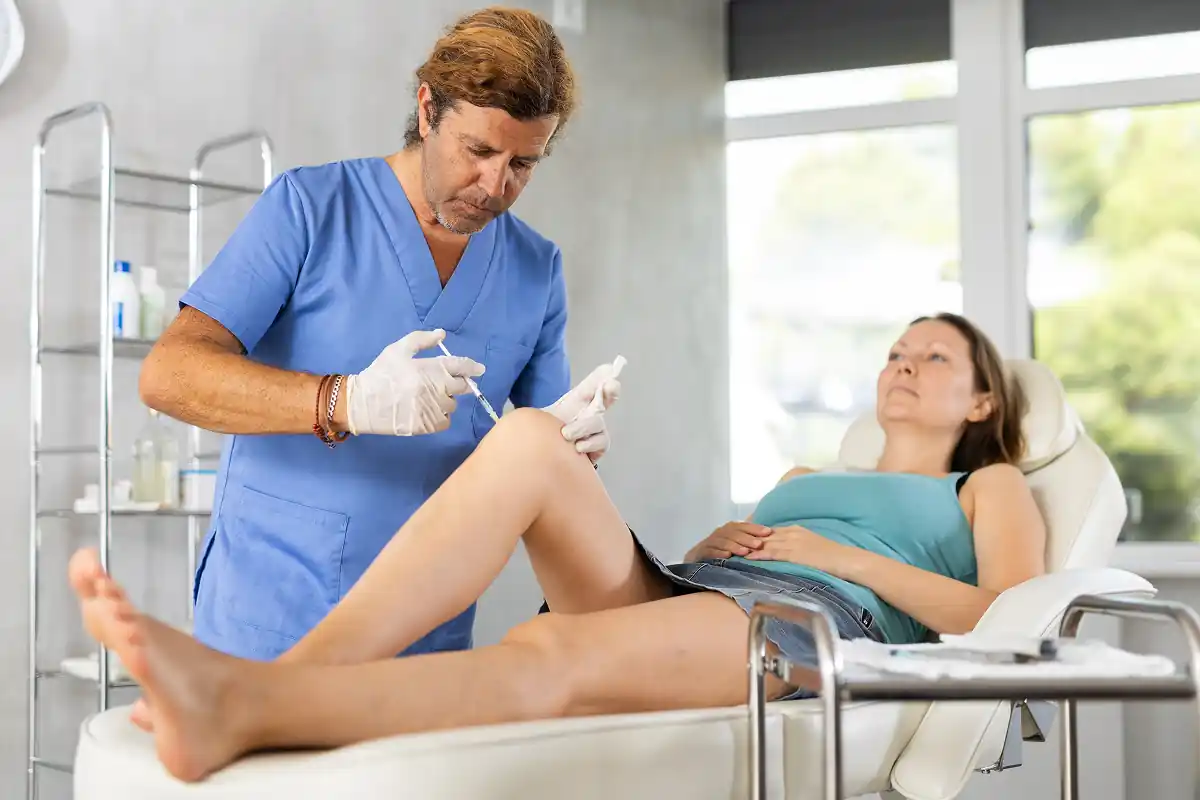
Platelet-rich plasma therapy uses a concentrated sample of your own blood, processed to isolate the platelets and growth factors that drive your body's natural healing response. That concentrated sample is then injected directly into the affected area under ultrasound guidance, delivering a targeted dose of healing signal right where it's needed. PRP is commonly used for tendon injuries, soft tissue conditions, and joint degeneration, and it carries a relatively low risk profile since the material comes entirely from your own body. The procedure takes about an hour from start to finish, and most patients return to their normal routine shortly after.
Learn More
Stem cells are the body's raw material for repair. They are undifferentiated cells with the ability to develop into the specific tissue types needed for healing. With stem cell therapy, mesenchymal stem cells are extracted from your own bone marrow, concentrated in a lab, and injected precisely into the area where healing is needed. This approach has shown promising results for conditions affecting the knees, hips, shoulders, and spine, and because the cells come from your own body, the risk of an immune reaction is low. It's a minimally invasive procedure with a straightforward recovery, and for the right patient, it can meaningfully reduce pain and support long-term joint health.