For younger patients living with hip pain, the conversation often reaches a discouraging crossroads: the pain is real and limiting, but joint replacement doesn't feel like the right answer yet. That gap is exactly where hip preservation comes in. Rather than replacing a damaged joint, hip preservation surgery addresses the underlying structural problems causing pain and accelerating wear, with the goal of protecting the joint, relieving symptoms, and extending its healthy life for as long as possible.
Dr. John Redmond is a Mayo Clinic-trained orthopedic hip specialist who completed a fellowship in advanced hip surgery at the American Hip Institute in Chicago, one of the country's leading centers for hip preservation. He has treated hip conditions in patients as young as 12 years old, has published research on outcomes in adolescent and young adult patients, and brings a level of specialization in this area that is uncommon outside major academic centers. For patients dealing with femoroacetabular impingement, labral tears, hip dysplasia, and related conditions, Dr. Redmond offers a thoughtful, individualized approach focused on preserving as much of the natural hip joint as possible.
If you are a young or active patient dealing with hip pain and want to understand all of your options before considering replacement, a consultation with Dr. Redmond is the right place to start. Request an appointment today.
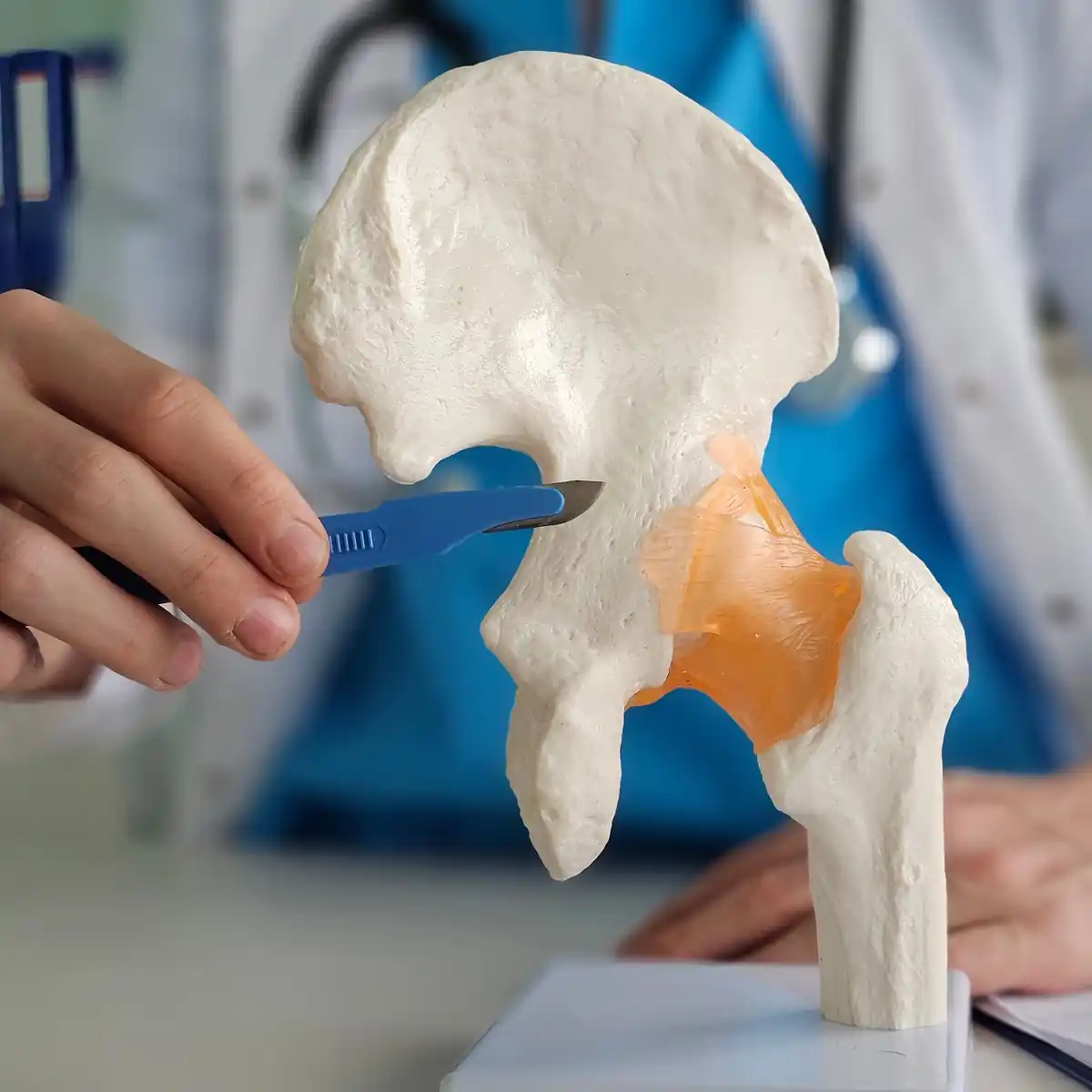
Hip preservation is not a single procedure. It is a category of surgical approaches aimed at correcting the structural abnormalities that cause pain and drive joint damage in younger, active patients. The right procedure depends on the specific condition, the severity of damage present, and the patient's anatomy and goals. Dr. Redmond evaluates each patient thoroughly before recommending any intervention and takes time to walk through all available options clearly.
Hip preservation surgery is most commonly used to address:
Many hip preservation procedures can be performed arthroscopically, through small incisions with a camera and precision instruments. This is the least invasive approach and is appropriate for conditions like FAI and labral tears in patients with otherwise normal joint anatomy. For more complex structural problems, such as significant hip dysplasia requiring socket repositioning, an open procedure may be necessary. Dr. Redmond evaluates each patient's imaging and anatomy carefully to determine the most appropriate approach and explains the options clearly before any decisions are made.
The goal of hip preservation is to address structural problems before they progress to irreversible joint damage, relieving pain while protecting the long-term health of the hip. For many patients, a successful hip preservation procedure can delay or entirely avoid the need for hip replacement down the road. For patients who do eventually need replacement, preserving the joint earlier typically means better bone stock and a more straightforward procedure when the time comes.
Hip preservation surgery is a category of procedures aimed at correcting the structural problems inside the hip joint that cause pain and accelerate damage, particularly in younger and more active patients. Rather than replacing the joint, these procedures address the underlying anatomy (whether that means treating bone impingement, repairing the labrum, or correcting socket alignment) with the goal of relieving pain and protecting the joint for the long term.
Hip preservation is generally appropriate for younger or more active patients with a confirmed structural problem in the hip joint that has not responded to conservative treatment. Good candidates typically have intact or repairable cartilage, a clear structural cause for their symptoms, and a goal of preserving their natural hip for as long as possible. Dr. Redmond evaluates each patient individually based on their imaging, symptoms, age, and activity level before making any recommendations.
In many cases, yes. Treating conditions like FAI and hip dysplasia before they progress to significant cartilage damage can substantially reduce the risk of early-onset arthritis and delay or avoid the need for replacement altogether. Results depend on the severity of the condition at the time of treatment and the patient's overall joint health. Dr. Redmond will give you an honest assessment of what hip preservation can realistically achieve for your specific situation.
Dr. Redmond's practice is located in Jacksonville, Florida, with two convenient office locations. You can request an appointment online at any time, and our team will follow up promptly to confirm your visit. We look forward to seeing you.