Key Takeaways
- Hip pain that lingers, worsens, or changes how you move is not something to write off as normal aging.
- Six specific signs, including pain at rest, a catching sensation, and stiffness that limits daily tasks, suggest it is time for a specialist's evaluation.
- Hip pain can come from arthritis, structural issues like impingement, or other mechanical problems, and each is treated differently.
- A first hip evaluation typically includes a history, physical exam, and imaging to identify the specific cause.
- Dr. John Redmond is a Mayo Clinic-trained orthopedic surgeon who evaluates hip pain in patients throughout Jacksonville's Southside and Beaches communities. Request an appointment if any of these signs sound familiar.
Why 'It's Just Aging' Is Often the Wrong Answer
It is easy to assume that hip pain is simply a normal part of getting older. Some stiffness after activity or a mild ache at the end of a long day can be normal. But hip pain that limits your ability to walk, work, or sleep is not something you have to accept, and it deserves a real evaluation rather than an assumption. Catching a problem early often means more treatment options, including options that protect the natural joint instead of replacing it.
6 Warning Signs Your Hip Pain Isn't 'Just Aging'
- Pain that shows up at rest or interrupts sleep. Mechanical hip pain from activity is common. Pain that persists while sitting, lying down, or trying to sleep suggests something more significant is going on.
- A clicking, catching, or locking sensation. This can point to a structural problem inside the joint, such as a labral tear or loose fragment of cartilage, rather than simple wear and tear.
- Groin pain that worsens with activity. Deep groin pain, especially with prolonged sitting, walking, or sports activity, is a common sign of femoroacetabular impingement (FAI) or a labral tear.
- Stiffness that limits everyday tasks. Difficulty putting on shoes and socks, getting in and out of a car, or bending to pick something up is a sign the joint's range of motion is becoming restricted.
- A noticeable limp or change in how you walk. Compensating for hip pain by altering your gait can lead to secondary problems in the knee, back, or opposite hip over time.
- Pain that has been present for more than a few weeks despite rest. Hip pain that does not improve with rest, over-the-counter medication, or activity modification within a few weeks is a reasonable trigger for a specialist visit.
If several of these apply to you, it is worth having an orthopedic hip specialist take a closer look, even if you are not sure the problem is serious.
Arthritis, Impingement, or a Mechanical Issue: Why the Difference Matters
Hip pain has more than one possible cause, and the right treatment depends heavily on getting the diagnosis right.
- Arthritis: According to the American Academy of Orthopaedic Surgeons, osteoarthritis of the hip develops gradually as cartilage wears away, most often in weight-bearing joints like the hip. Pain typically worsens with activity and can eventually occur at rest as the condition progresses.
- Femoroacetabular impingement (FAI): This is a structural issue where extra bone growth causes abnormal contact between the ball and socket of the hip. It tends to affect younger, active patients and often causes groin pain rather than the diffuse ache typical of arthritis.
- Mechanical issues: Labral tears, loose bodies, and hip dysplasia can all cause catching, locking, or instability that feels different from the steady ache of arthritis.
These conditions can overlap or coexist, which is why an accurate evaluation matters. Treating a structural problem like FAI the same way you would treat arthritis (or vice versa) rarely produces good results.
What a First Hip Evaluation Typically Involves
| Step | What Happens |
|---|---|
| History | Discussion of when the pain started, what makes it better or worse, and how it affects daily activities |
| Physical exam | Assessment of hip range of motion, strength, and specific maneuvers that can reproduce impingement or labral symptoms |
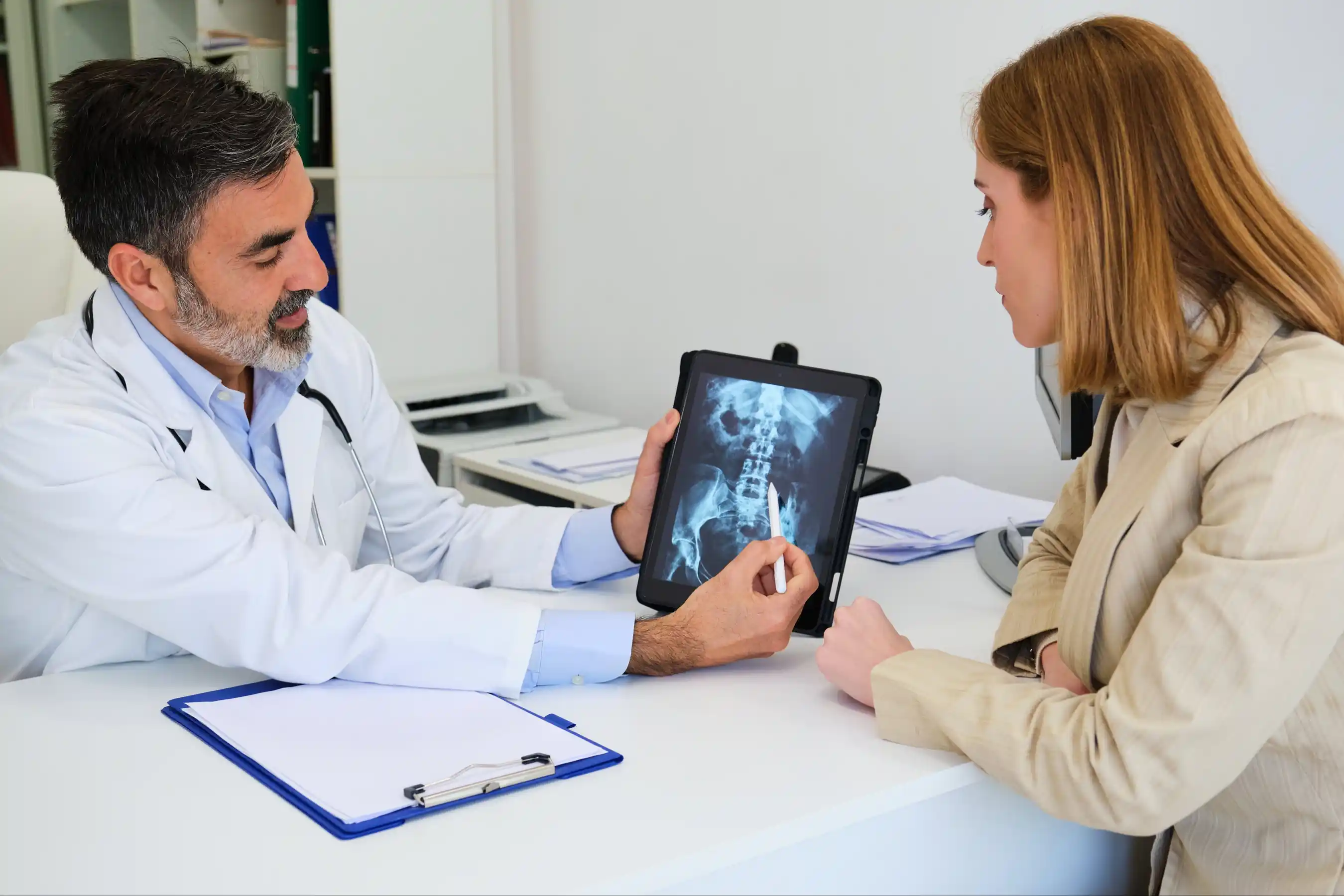
| Imaging | X-rays to evaluate joint space and bone structure; MRI if a soft tissue or structural problem is suspected |
| Discussion of options | A clear explanation of the likely diagnosis and the full range of treatment options, from conservative care to surgery |
Dr. Redmond takes the time to walk through what your imaging shows and what your options are before recommending any course of treatment.
Why Early Evaluation Preserves More Options
One of the most overlooked benefits of an early hip evaluation is that it keeps more doors open. Patients with structural problems like FAI or early hip dysplasia may be candidates for hip preservation surgery, which addresses the underlying issue and can delay or avoid the need for hip replacement altogether. The longer these conditions go untreated, the more likely they are to progress to a point where preservation is no longer an option and replacement becomes the only remaining path.
Get a Clear Answer About Your Hip Pain
Hip pain that lingers, worsens, or changes how you move deserves a real answer, not a guess. Dr. John Redmond can help you understand exactly what is causing your symptoms and walk you through every option available.
Dr. Redmond sees patients at his Southside and Beaches locations in Jacksonville. Request an appointment to get a clear diagnosis and a plan that fits your life.
Frequently Asked Questions
How do I know if my hip pain is arthritis or something else?
Arthritis pain tends to develop gradually, worsen with activity, and eventually occur at rest as it progresses. Sharp groin pain, clicking, or catching is more often associated with structural issues like impingement or a labral tear. An evaluation with imaging is the only reliable way to know for certain.
What is a hip doctor near me able to check for in a first visit?
A first visit typically includes a discussion of your symptoms and history, a physical exam to assess hip motion and strength, and imaging such as X-rays or an MRI to identify the underlying cause of your pain.
Can hip pain in younger patients mean something other than arthritis?
Yes. Younger and more active patients are more likely to have structural issues such as femoroacetabular impingement, labral tears, or hip dysplasia rather than age-related arthritis. These conditions are treated differently and often respond well to hip preservation techniques.
How do I find a hip pain specialist near me?
Dr. John Redmond sees patients at both his Southside and Beaches offices in Jacksonville. You can request an appointment online or call (904) 675-4000 to schedule an evaluation.
